
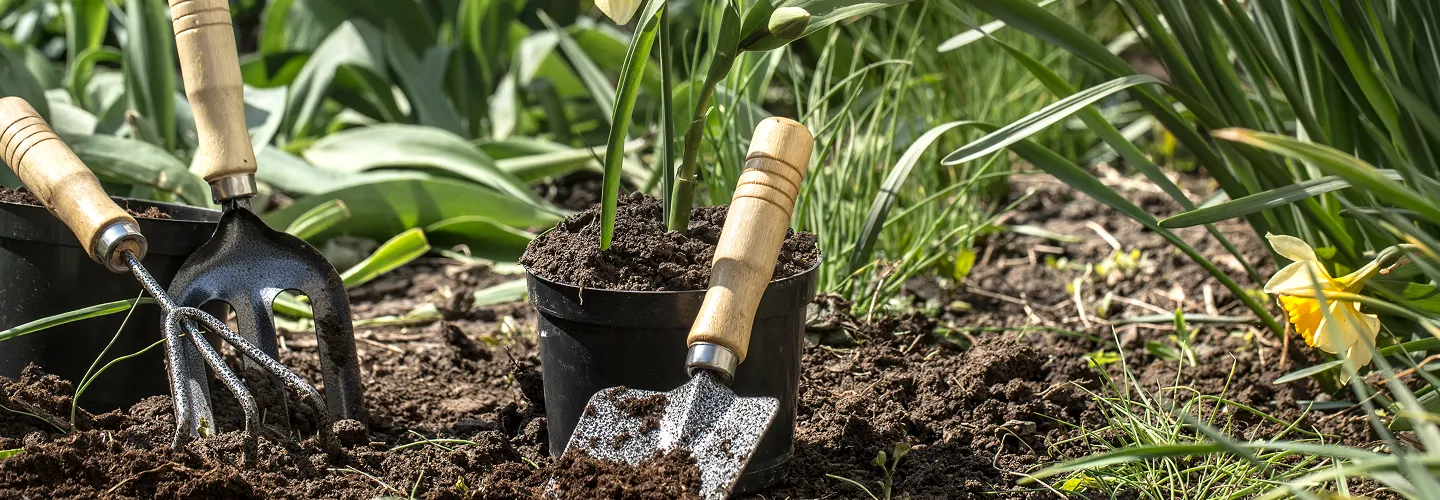
Greenwich Weeding Services
Choose our professional weeding services for a healthier, more beautiful garden—our experienced team removes unwanted growth efficiently, ensuring your plants thrive and your outdoor space looks its best all season long.
Get a Free QuoteOur Greenwich Landscaping & Yard Care Services
When to Schedule Weeding in Greenwich, Connecticut – Seasonal Guide
In Greenwich, Connecticut, the best times to schedule weeding are typically in early spring and late summer, when local weather conditions are most favorable for effective weed control. The region’s climate, characterized by cold winters and humid summers, means that weeds often emerge vigorously after the last frost—usually in late April or early May. Targeting weeding efforts during these windows helps prevent invasive species from taking hold in gardens and lawns, especially in neighborhoods like Cos Cob and Riverside, where mature trees and shaded areas can create unique microclimates.
Local environmental factors play a significant role in determining the optimal weeding schedule. For example, areas near the Byram River or Binney Park may experience higher soil moisture and humidity, increasing weed growth rates. Conversely, properties on higher ground or with sandy soils, such as those near North Street, may face drought risk, requiring a different approach. Homeowners should also consider municipal guidelines and resources, which can be found on the Town of Greenwich website, to ensure compliance with local landscaping regulations.
Local Factors to Consider for Weeding in Greenwich
- Tree density and shade coverage, especially in older neighborhoods
- Soil type and drainage, which vary between riverside and upland areas
- Seasonal precipitation patterns and risk of drought
- Proximity to landmarks like Binney Park or the Byram River
- Municipal restrictions or recommended best practices for landscaping
Benefits of Weeding in Greenwich

Expert Local Knowledge
Efficient Weed Removal
Eco-Friendly Practices
Enhanced Curb Appeal
Reliable Scheduling
Comprehensive Lawn Care

Greenwich Weeding Types

Hand Weeding
-
Mechanical Weeding
-
Mulching for Weed Control
-
Chemical Weed Removal
-
Flame Weeding
-
Organic Weed Management
-
Pre-Emergent Weed Control
Our Weeding Process
Site Evaluation
Weed Identification
Targeted Removal
Soil Treatment
Final Inspection
Why Choose Greenwich Landscape Services
-
Greenwich Homeowners Trust Us
-
Expert Lawn Maintenance
-
Reliable Seasonal Cleanups
-
Professional Team
-
Competitive Pricing
-
Personalized Service
-
Satisfaction Guarantee
Managing Invasive Weeds in Greenwich’s Glacial Till and Coastal Soils
Weeding in Greenwich requires careful consideration of the town’s predominant soil types, which include glacial till (rocky, stony, moderately acidic) and coastal sandy soils. These soils often exhibit poor drainage and a pH range of 5.5-6.5, influencing both weed proliferation and removal strategies. For effective weed management, soil testing is recommended through UConn Extension (typical cost: $15-25) to determine nutrient deficiencies and pH adjustments. Incorporate compost at a rate of 2-3 inches tilled to a 6-inch depth to improve soil structure and suppress weed growth. Lime applications are advised if pH falls below 6.0. Utilize the USDA Web Soil Survey to identify site-specific soil series and drainage characteristics. Mechanical removal is preferred in rocky soils to avoid chemical runoff into sensitive areas. Always maintain a 25-foot buffer from wetlands and water bodies as required by local ordinance.
Greenwich Department of Public Works: Yard Waste Collection and Weeding Debris Disposal
Proper disposal of weeding debris in Greenwich is coordinated through the Department of Public Works. Weekly yard waste collection occurs every Thursday from April through November. Residents must use biodegradable bags or reusable bins (32-gallon maximum); plastic bags and branches over 4 inches in diameter are prohibited. Accepted materials include weeds, leaves, and brush under 4 feet in length. Debris should be placed curbside by 6:00 AM on collection day. For large volumes, the Holly Hill Resource Recovery Facility accepts yard waste during posted hours. Compliance with these procedures prevents stormwater contamination and supports the town’s MS4 permit obligations under the Clean Water Act. For detailed collection schedules and disposal guidelines:
Greenwich Department of Public Works
101 Field Point Road, Greenwich, CT 06830
Phone: (203) 622-7766
Official Website: Greenwich Department of Public Works
Environmental Compliance: Wetland Buffers and Stormwater Protection in Greenwich
Weeding activities near Greenwich’s wetlands, streams, and coastal areas are regulated to protect sensitive habitats and water quality. A 25-foot no-disturbance buffer is required from all designated wetlands, and a 50-foot setback applies for fertilizer or herbicide applications. The town’s MS4 permit, administered in accordance with Connecticut Environmental Protection Act and Connecticut Department of Energy and Environmental Protection, prohibits yard waste or soil from entering storm drains. Residents must avoid weeding during heavy rain events, as runoff can transport debris and chemicals into Long Island Sound and local streams. For guidance on wetland boundaries, buffer requirements, and permit applications:
Greenwich Department of Environmental Affairs
101 Field Point Road, Greenwich, CT 06830
Phone: (203) 622-6461
Official Website: Greenwich Department of Environmental Affairs
Equipment Operation Hours and Safety Standards for Weeding in Greenwich
Greenwich enforces specific noise and equipment operation ordinances for outdoor maintenance, including weeding. Permitted hours for powered equipment are:
- Monday-Friday: 7:00 AM - 7:00 PM
- Saturday: 8:00 AM - 6:00 PM
- Sunday and holidays: Prohibited
Operators must use commercial-grade equipment with functioning mufflers, and noise levels should not exceed 85 decibels at property lines. All personnel are required to wear ANSI Z87.1 safety glasses, hearing protection for noise above 85 dB, steel-toed boots, and cut-resistant gloves. When working within 15 feet of public roads or sidewalks, high-visibility vests are mandatory. These standards are enforced by the town’s code enforcement officers. For questions regarding compliance or to report violations:
Greenwich Building and Zoning Department
101 Field Point Road, Greenwich, CT 06830
Phone: (203) 622-7753
Official Website: Greenwich Building and Zoning Department
Optimal Weeding Timing for Greenwich’s USDA Hardiness Zone 6b-7a
Greenwich’s climate, classified as USDA Hardiness Zone 6b-7a, dictates the most effective windows for weeding. Spring weeding is recommended from April 15 to May 30, when soil temperatures reach 50-65°F and weed seedlings are most vulnerable. Fall weeding should occur between September 1 and October 15, prior to seed set and before the first frost (typically late October). Avoid weeding during peak summer (June-August) to minimize soil disturbance and heat stress on desirable plants. Monitor local weather forecasts through the National Weather Service New York Office for optimal scheduling. For additional timing and plant management guidance, consult UConn Extension.
What Neighborhoods Do We Serve Throughout Greenwich, CT?
- Cos Cob: Characterized by moderately acidic glacial till soils and mature tree canopies, requiring careful hand weeding to avoid root disturbance and compliance with wetland buffer regulations.
- Riverside: Features sandy soils with rapid drainage and proximity to the Mianus River, necessitating erosion control measures and strict adherence to stormwater protection ordinances.
- Old Greenwich: Coastal location with salt exposure and compacted urban soils; weed management must account for salt-tolerant species and limited equipment access on narrow lots.
- Back Country: Large properties with rocky, stony soils and extensive woodland buffers; mechanical removal is often required, and wildlife habitat protection is a priority.
- Glenville: Mixed residential and commercial areas with variable soil compaction and frequent traffic; timing of weeding is coordinated to minimize disruption and comply with noise ordinances.
- Byram: Dense development and smaller lots, with heavy clay subsoils and drainage challenges; debris disposal must follow strict municipal guidelines to prevent stormwater violations.
- Belle Haven: Private community with HOA landscaping standards, mature landscaping, and proximity to Long Island Sound; specialized weeding protocols are implemented to protect sensitive coastal vegetation.