
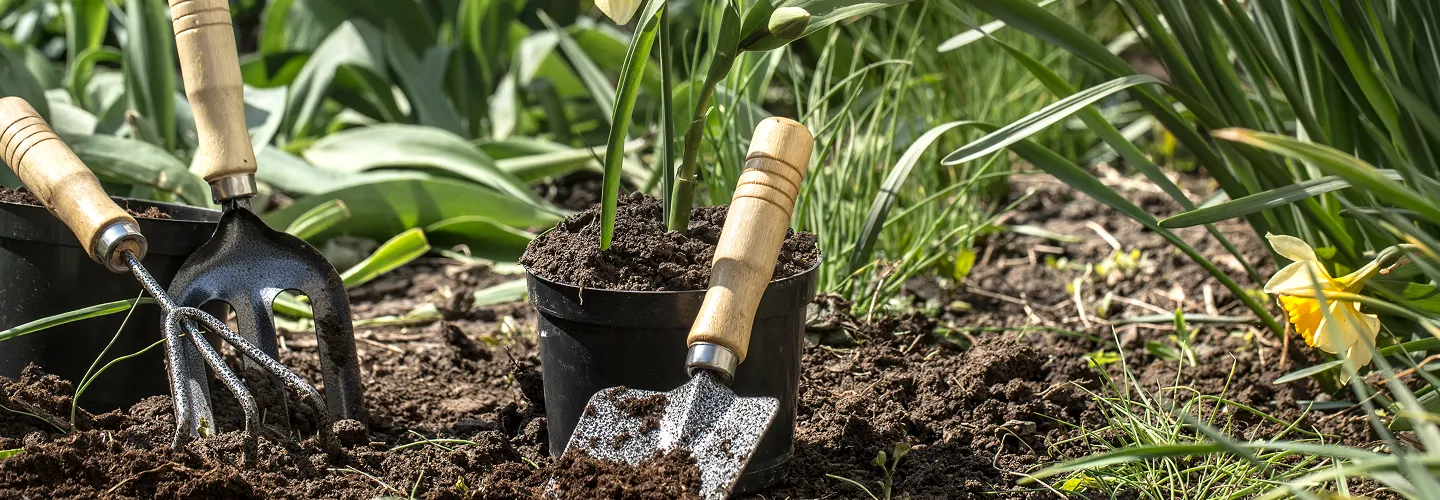
Greenwich Lawn Installation Services
Choose our expert lawn installation for a seamless, hassle-free transformation—enjoy a vibrant, healthy yard that boosts your home's curb appeal and value, all backed by our commitment to quality and customer satisfaction.
Get a Free QuoteOur Greenwich Landscaping & Yard Care Services
When to Schedule Lawn Installation in Greenwich, Connecticut – Seasonal Guide
Timing your lawn installation in Greenwich, Connecticut, is crucial for achieving a lush, healthy yard that thrives year-round. The best periods for new lawn installation are typically late spring and early fall, when soil temperatures are warm enough to encourage root growth but not so hot as to stress new grass. Greenwich’s climate, with its humid summers and cold winters, means that installing a lawn during the peak of summer or just before the first frost can lead to poor establishment and increased maintenance needs.
Local neighborhoods like Cos Cob and Riverside often experience microclimates due to proximity to the Long Island Sound, while areas near the Byram River or Bruce Park may have higher humidity and shade coverage. Soil types can vary from sandy loam in Old Greenwich to heavier clay in backcountry estates, impacting drainage and grass selection. Homeowners should also be mindful of municipal watering restrictions and environmental guidelines, which can be found on the Town of Greenwich website.
Local Factors to Consider for Lawn Installation in Greenwich
- Tree density and shade coverage, especially in neighborhoods with mature oaks and maples
- Terrain and slope, which affect drainage and soil erosion
- Average precipitation and risk of summer droughts
- Frost dates, typically late October to early April
- Soil composition, from sandy loam to clay
- Proximity to water features like the Mianus River or Long Island Sound
- Municipal restrictions on watering and fertilizer use
Benefits of Lawn Installation in Greenwich
Expert Lawn Installation Services
Premium Quality Turf Selection
Efficient Project Completion
Customized Landscaping Solutions
Enhanced Curb Appeal
Sustainable Lawn Care Practices
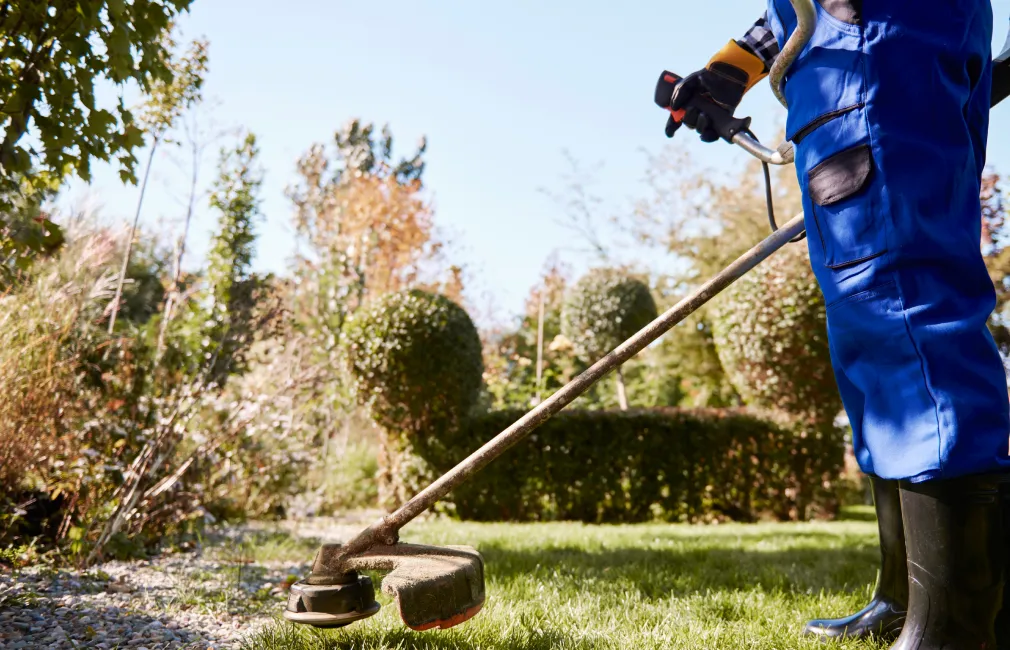
Greenwich Lawn Installation Types

Sod Installation
-
Hydroseeding
-
Artificial Turf Installation
-
Traditional Seeding
-
Eco-Friendly Lawn Installation
-
Overseeding Existing Lawns
-
Native Grass Lawn Installation
Our Lawn Installation Process
Site Evaluation
Soil Preparation
Lawn Installation
Watering and Initial Care
Why Choose Greenwich Landscape Services
-
Greenwich Homeowners Trust Us
-
Expert Lawn Maintenance
-
Reliable Seasonal Cleanups
-
Professional Team
-
Competitive Pricing
-
Personalized Service
-
Satisfaction Guarantee
Soil Preparation and Drainage Considerations for Lawn Installation in Greenwich
Lawn installation in Greenwich requires careful assessment of local soil conditions, which are predominantly Inceptisols and Ultisols formed from glacial till. These soils are often rocky, moderately acidic (pH 5.5-6.5), and may exhibit poor drainage, especially in low-lying or compacted urban areas. Prior to installation, it is recommended to conduct a soil test through UConn Extension (typical cost: $15-25) to determine pH and nutrient levels. Amendments such as lime (for pH below 6.0) or compost (2-3 inches tilled to 6-inch depth) are commonly required. Drainage improvements, including the installation of French drains or grading to direct runoff, are essential in areas with seasonal water tables at 12-18 inches. For detailed soil mapping, consult the USDA Web Soil Survey. Coordination with municipal standards is advised.
Greenwich Department of Public Works
101 Field Point Road, Greenwich, CT 06830
Phone: (203) 622-7766
Official Website: Greenwich Department of Public Works
Timing and Climate Zone Guidance for Establishing New Lawns in Greenwich
Greenwich is located in USDA Hardiness Zone 6b-7a, with optimal lawn installation windows in spring (April 15 - May 30, soil temperature 50-65°F) and early fall (August 20 - September 30). Cool-season grasses such as Kentucky bluegrass (Poa pratensis), perennial ryegrass (Lolium perenne), and fine fescue (Festuca spp.) are best suited for the region’s climate. Avoid installation during June-August due to heat stress and increased risk of drought. Monitor local weather forecasts through the National Weather Service New York Office to plan around rainfall and temperature fluctuations. For best results:
- Spring seeding: April 15 - May 30
- Fall seeding: August 20 - September 30
- Fertilization: Early May and September
- Avoid: June-August (heat/drought risk)
Greenwich Stormwater Management and Environmental Compliance for Lawn Projects
Lawn installation activities in Greenwich must comply with local and state stormwater regulations to protect water quality in the Byram River, Mianus River, and adjacent wetlands. The Connecticut Environmental Protection Act and Clean Water Act require that no soil, sod, or grass clippings enter storm drains or water bodies. The town’s MS4 permit prohibits disturbance within 25 feet of wetlands and mandates silt fencing or straw wattles on slopes exceeding 5%. Fertilizer application is restricted within 50 feet of water bodies. For guidance on buffer zones and erosion control, coordinate with the municipal stormwater program.
Greenwich Stormwater Management Program
101 Field Point Road, Greenwich, CT 06830
Phone: (203) 622-7767
Official Website: Greenwich Stormwater Management Program
Connecticut Department of Energy and Environmental Protection
79 Elm Street, Hartford, CT 06106
Phone: (860) 424-3000
Official Website: Connecticut Department of Energy and Environmental Protection
Equipment Operation Hours and Safety Standards for Lawn Installation in Greenwich
Greenwich enforces municipal noise ordinances for outdoor equipment operation during lawn installation. Permitted hours are:
- Monday-Friday: 7:00 AM - 7:00 PM
- Saturday: 8:00 AM - 6:00 PM
- Sunday and holidays: Prohibited All commercial operators must use equipment with functioning mufflers and maintain noise levels below 85 decibels at property lines. Safety protocols require:
- Eye protection: ANSI Z87.1 safety glasses
- Hearing protection: Earmuffs or plugs for 85+ dB
- Footwear: Steel-toed boots
- Gloves: Cut-resistant for sod handling Maintain a 15-foot clearance from overhead utilities and follow all traffic control measures when working near public roads. For code enforcement and additional safety requirements, consult the municipal building department.
Greenwich Building and Zoning Department
101 Field Point Road, Greenwich, CT 06830
Phone: (203) 622-7753
Official Website: Greenwich Building and Zoning Department
What Neighborhoods Do We Serve Throughout Greenwich, CT?
- Cos Cob: Characterized by moderately well-drained glacial till soils and proximity to the Mianus River, requiring careful buffer management and erosion control during installation.
- Old Greenwich: Coastal sandy soils with higher salt exposure and fluctuating water tables; properties often require soil amendment and salt-tolerant turf species.
- Riverside: Features a mix of compacted urban soils and mature tree canopies, necessitating core aeration and shade-tolerant grass varieties.
- Back Country: Large lots with rocky, stony soils and significant elevation changes; installation may involve grading and specialized drainage solutions.
- Glenville: Dense development with smaller lots and limited equipment access; attention to municipal setback requirements and noise ordinances is critical.
- Byram: Floodplain location near the Byram River, with poorly drained soils and strict wetland buffer enforcement for all lawn projects.
- Mid-Country: Transitional area with variable soil types and established landscaping, often requiring customized installation plans and coordination with HOAs.