
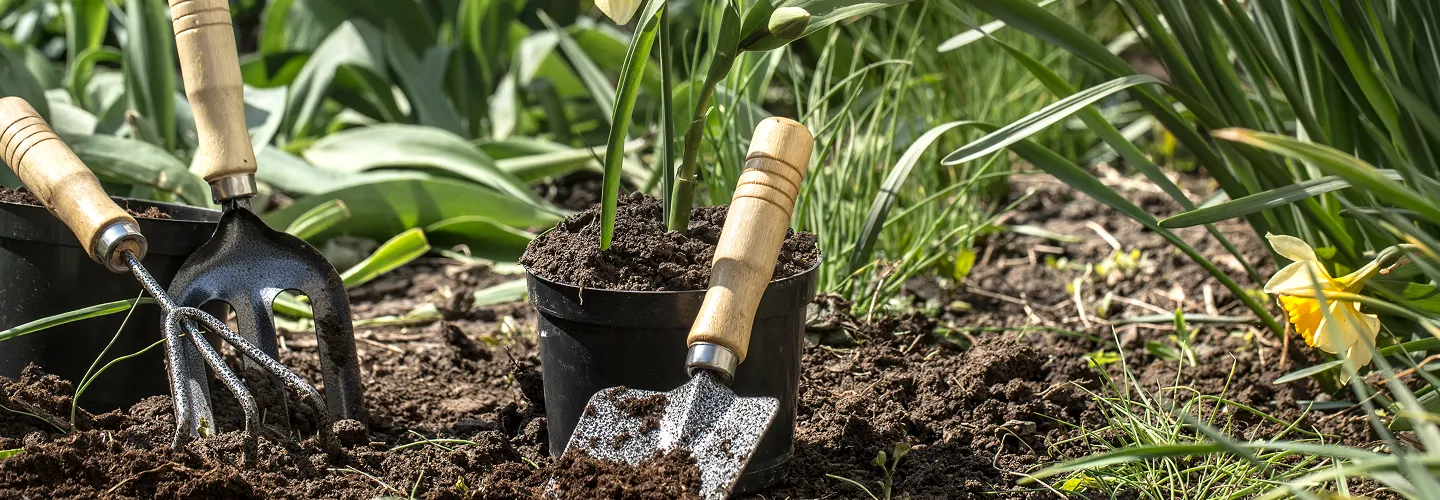
Greenwich Lawn Leveling Services
Choose our expert lawn leveling services for a smoother, healthier yard that enhances curb appeal and makes maintenance a breeze—trusted by Greenwich homeowners for reliable, professional results.
Get a Free QuoteOur Greenwich Landscaping & Yard Care Services
When to Schedule Lawn Leveling in Greenwich, Connecticut – Seasonal Guide
In Greenwich, Connecticut, the best time to schedule lawn leveling is typically during late spring or early fall. These seasons offer moderate temperatures and consistent rainfall, which help newly leveled lawns recover and establish healthy growth. Greenwich’s climate, influenced by its proximity to Long Island Sound, brings humid summers and cold winters, so timing your lawn care around these patterns is essential for optimal results. Neighborhoods like Cos Cob and Riverside, with their mature tree canopies and varied terrain, often require special consideration for shade and drainage when planning lawn leveling.
Local environmental factors such as the last frost date (usually mid-April), summer drought risk, and the region’s well-draining but sometimes rocky soils all play a role in determining the right window for this service. Homeowners near landmarks like Bruce Park or Binney Park may also need to account for municipal guidelines or unique landscape features. For more information on local regulations and best practices, you can consult the Town of Greenwich’s official resources.
Local Factors to Consider for Lawn Leveling in Greenwich
- Tree density and shade coverage, especially in areas like Old Greenwich
- Soil composition and drainage, which can vary between neighborhoods
- Seasonal precipitation patterns and risk of summer drought
- Terrain slope and proximity to wetlands or water features
- Municipal restrictions or permit requirements for landscape work
Benefits of Lawn Leveling in Greenwich

Enhanced Curb Appeal
Improved Lawn Health
Safer Outdoor Spaces
Efficient Water Drainage
Professional Expertise
Long-Lasting Results
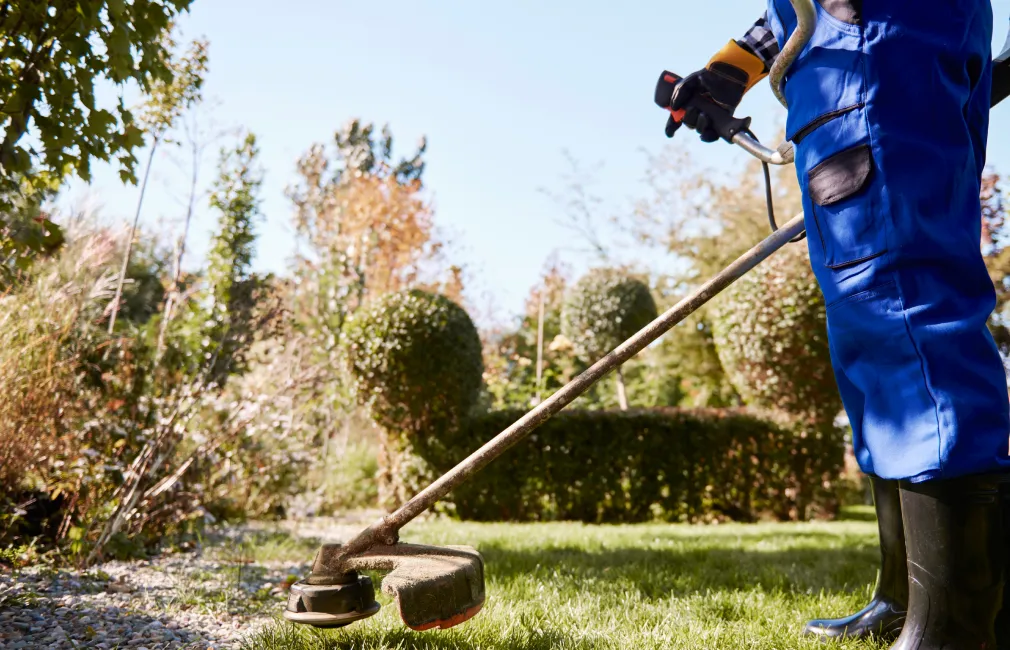
Greenwich Lawn Leveling Types

Topdressing Lawn Leveling
-
Laser Grading
-
Manual Rake Leveling
-
Power Rake Leveling
-
Soil Fill and Regrading
-
Sod Replacement Leveling
-
Aeration and Leveling
Our Lawn Leveling Process
Site Evaluation
Soil Preparation
Leveling Application
Compaction
Final Inspection
Why Choose Greenwich Landscape Services
-
Greenwich Homeowners Trust Us
-
Expert Lawn Maintenance
-
Reliable Seasonal Cleanups
-
Professional Team
-
Competitive Pricing
-
Personalized Service
-
Satisfaction Guarantee
Addressing Greenwich’s Glacial Till Soils and Drainage in Lawn Leveling
Lawn leveling in Greenwich requires careful consideration of the town’s predominant glacial till soils, which are typically classified as Inceptisols and Ultisols according to the USDA Web Soil Survey. These soils are often rocky, moderately acidic (pH 5.5–6.5), and can exhibit poor drainage, especially in low-lying areas or near the Byram River and Mianus River floodplains. Effective lawn leveling should include removal of surface stones, incorporation of 2–3 inches of compost tilled to a 6-inch depth, and lime application if pH is below 6.0. Soil testing is recommended through UConn Extension (typical cost: $15–25). For properties adjacent to wetlands or conservation areas, a 25-foot no-disturbance buffer is standard, and all fill materials must be free of invasive species seeds. Coordination with the municipal engineering department is advised for properties with significant grade changes.
Greenwich Engineering Department
101 Field Point Road, Greenwich, CT 06830
Phone: (203) 622-7767
Official Website: Greenwich Engineering Department
Municipal Coordination and Lawn Leveling Debris Disposal in Greenwich
Proper disposal of soil, sod, and organic debris generated during lawn leveling is regulated by the Town of Greenwich. Yard waste collection is available weekly on Thursdays from April through November. Residents must use biodegradable paper bags or reusable bins (32-gallon maximum); plastic bags and branches over 4 inches in diameter are prohibited. Accepted materials include grass clippings, leaves, and brush under 4 feet in length. Debris should not be placed in storm drains, as this violates the town’s MS4 stormwater permit under the Clean Water Act. For large-scale projects, coordinate with the Department of Public Works for guidance on debris transport and disposal site hours. Failure to comply may result in fines or collection refusal.
- Weekly pickup: Thursday, April–November
- Accepted: Leaves, grass, brush under 4 feet
- Containers: Biodegradable bags or 32-gallon bins
- Prohibited: Plastic bags, branches over 4 inches
Greenwich Department of Public Works
101 Field Point Road, Greenwich, CT 06830
Phone: (203) 622-7760
Official Website: Greenwich Department of Public Works
Environmental Compliance: Wetland Buffers and Stormwater Management in Greenwich
Lawn leveling activities in Greenwich must comply with local and state environmental regulations, particularly when work is near wetlands, streams, or conservation lands. The Connecticut Environmental Protection Act and the town’s own ordinances require a minimum 25-foot no-disturbance buffer from delineated wetlands, with stricter setbacks possible in sensitive areas. The Greenwich Stormwater Management Program enforces MS4 permit requirements, prohibiting soil or debris from entering storm drains or water bodies. Erosion control measures, such as silt fencing and stabilized construction entrances, are mandatory for projects disturbing over 500 square feet. For properties within regulated areas, a permit from the Department of Environmental Affairs is required, with a typical review period of 10–15 business days and application fees ranging from $50–$150.
- 25-foot minimum wetland buffer
- MS4 prohibits debris in storm drains
- Erosion controls required for 500+ sq ft disturbance
- Permit review: 10–15 business days
Greenwich Department of Environmental Affairs
101 Field Point Road, Greenwich, CT 06830
Phone: (203) 622-6461
Official Website: Greenwich Department of Environmental Affairs
Connecticut Department of Energy and Environmental Protection
79 Elm Street, Hartford, CT 06106
Phone: (860) 424-3000
Official Website: Connecticut Department of Energy and Environmental Protection
Equipment Operation Hours and Safety Standards for Lawn Leveling in Greenwich
Greenwich enforces specific noise and safety ordinances for outdoor equipment operation. Lawn leveling machinery, including compactors and grading equipment, may be operated only during the following hours:
- Monday–Friday: 7:00 AM – 7:00 PM
- Saturday: 8:00 AM – 6:00 PM
- Sunday and holidays: Prohibited
All operators must use commercial-grade equipment with functioning mufflers, and noise levels must not exceed 85 decibels at the property line. Personal protective equipment (PPE) is required, including ANSI Z87.1 safety glasses, hearing protection for noise above 85 dB, steel-toed boots, and high-visibility vests when working near public roads. For work within 15 feet of overhead utilities, maintain clearance and notify the utility provider as required by local code. The Building and Zoning Department provides guidance on compliance and may require permits for significant grading changes.
Greenwich Building and Zoning Department
101 Field Point Road, Greenwich, CT 06830
Phone: (203) 622-7753
Official Website: Greenwich Building and Zoning Department
Optimal Timing for Lawn Leveling in Greenwich’s Coastal Climate Zone
Greenwich is located in USDA Hardiness Zone 6b–7a, with a coastal-influenced climate and average last frost in late April. The ideal window for lawn leveling is mid-April through late May, when soil temperatures reach 50–65°F and the risk of heavy spring rains diminishes. Fall leveling is also effective from September 1 to October 15, before the first frost (typically late October). Avoid leveling during June–August due to heat stress and potential drought. Monitor local weather forecasts through the National Weather Service New York Office for rainfall and temperature trends. For cool-season turf, reseeding should follow leveling within these windows for optimal establishment.
- Spring window: April 15 – May 31 (soil 50–65°F)
- Fall window: September 1 – October 15
- Avoid: June–August (heat/drought)
- Monitor: National Weather Service New York Office
What Neighborhoods Do We Serve Throughout Greenwich, CT?
- Cos Cob: Characterized by moderately well-drained glacial till soils and sloped lots, requiring careful grading to prevent runoff into the Mianus River and adjacent wetlands.
- Old Greenwich: Coastal sandy soils with high water tables and proximity to Long Island Sound; projects must address drainage and comply with strict wetland buffer regulations.
- Riverside: Features a mix of compacted urban soils and mature landscaping; access for equipment may be limited by narrow streets and established tree canopies.
- Back Country: Large lots with rocky, stony soils and significant elevation changes; erosion control and stormwater management are critical due to proximity to conservation lands.
- Glenville: Dense development and variable drainage patterns, with frequent need for soil amendment and compliance with local noise ordinances during equipment operation.
- Byram: Floodplain location near the Byram River, requiring special attention to soil compaction, drainage, and adherence to MS4 stormwater regulations.
- Central Greenwich: Urban core with fill soils, limited green space, and strict zoning requirements for grading and debris disposal.